
Many studies indicate that adults working in explicit content production face injury, harassment, or financial instability at rates comparable to other high-risk industries, yet protections lag behind.
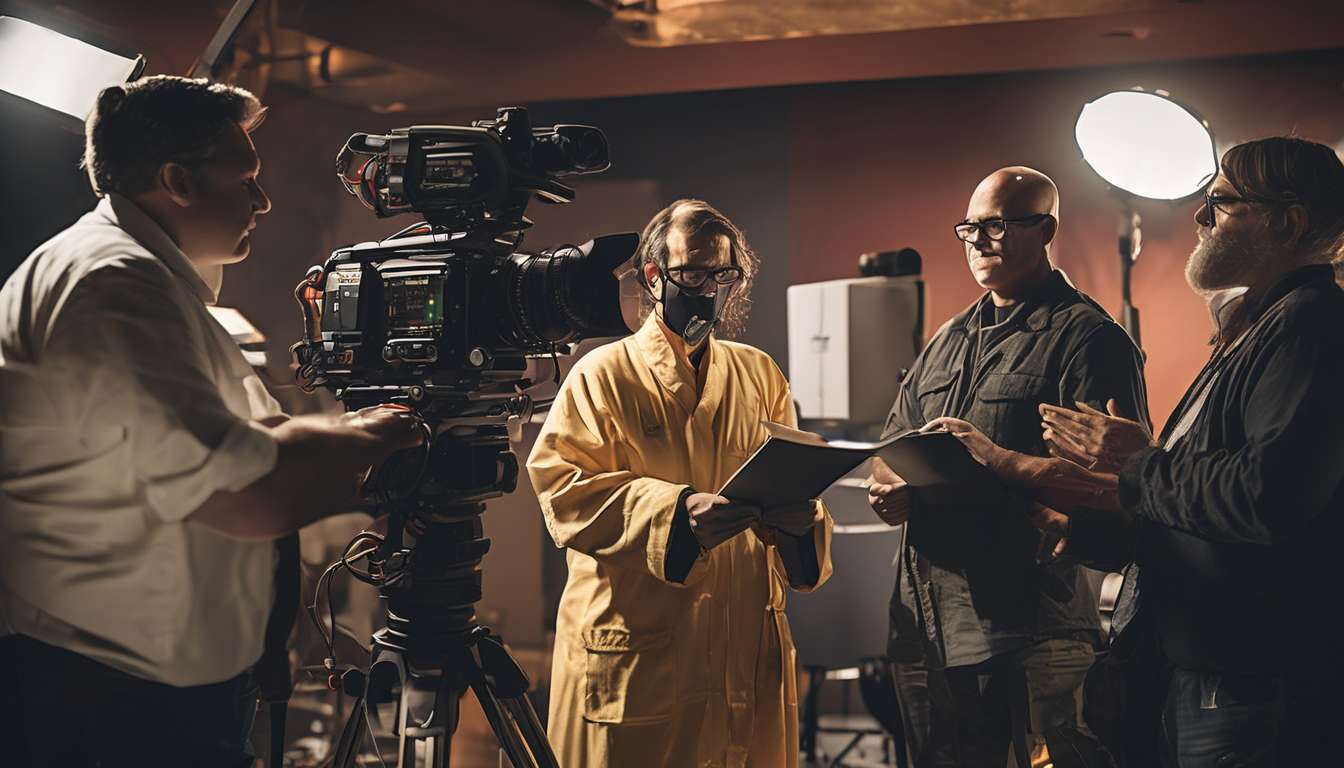
We are a diverse workforce—performers, directors, camera operators, makeup artists, producers—whose labor creates narratives, sustains platforms, and shapes sexual culture.
We share complex power dynamics, intermittent employment, and stigma that all-too-often make asserting rights difficult.
We seek clear standards for consent, health screenings, fair contracts, and mechanisms to report abuse without retaliation.
We want workplace policies that encompass mental-health support, hazard pay, privacy safeguards, and equitable access to benefits.
We also recognize the tension between independent creators and larger studios, and the need for scalable protections that respect autonomy while preventing exploitation.
This article outlines practical, evidence-informed protections for every member of the production team and proposes steps stakeholders can adopt now to improve safety, dignity, and professional sustainability across the industry.
Consent Protocols
We establish clear, documented consent protocols that all performers and crew sign before any scene is filmed.
We build consent frameworks that are explicit, revocable, and reviewed regularly so everyone feels safe and included.
We outline boundaries, signals, and safe words, and we record any agreed limitations in writing.
We pair these frameworks with routine performer health screenings—kept confidential and separate from casting decisions—to reassure participants that wellbeing is prioritized without stigma.
We train crew on reading consent cues and enforcing boundaries, so responsibility isn’t left to one person.
We set up accessible workplace grievance mechanisms that let anyone report violations or concerns without fear of retaliation, with defined timelines for response and independent review.
We follow up after incidents to support healing and restore trust, and we document outcomes to improve practices.
Together, these measures create a consistent culture where consent is active, community-minded, and backed by clear procedures that protect dignity and belonging for every team member.
Health Screening Standards
We require regular, confidential health screenings for all performers and relevant crew, documented with clear protocols for testing frequency, reporting, and privacy safeguards.
We believe these routines build trust and a shared sense of safety; when expectations are consistent and respectful, people feel more connected.
Our health screening standards align with consent frameworks, ensuring medical checks support informed participation rather than coercion.
Screening schedule and recordkeeping
- Predictable intervals: Performer health screenings are scheduled at regular, predictable intervals and always before shoots when risk profiles change.
- Secure records: Results are recorded securely with access limited to authorized personnel only.
- Privacy safeguards: Protocols specify who may view results, how long records are retained, and procedures for secure disposal.
Communication, resources, and follow-up
- Clear procedures: We communicate screening procedures in advance, answer questions, and ensure everyone understands expectations.
- Follow-up care: Resources are provided for medical follow-up when needed, including referrals and support for accessing care.
Grievance mechanisms and problem resolution
- Confidential reporting: When concerns arise, transparent workplace grievance mechanisms protect confidentiality and address issues promptly.
- Range of issues covered: Mechanisms handle matters from scheduling disputes to unmet testing commitments.
- Empathetic handling: Trained coordinators and health liaisons handle sensitive conversations with empathy and professionalism.
By centering reliable screening, strong privacy protections, clear communication, and responsive problem resolution, we create a workplace where people belong and can collaborate with confidence.
Anti-Harassment Policies
Everyone on set deserves clear, enforced anti-harassment policies.
Key elements of those policies include:
- Definition of unacceptable behavior — Explicit examples so expectations are clear.
- Reporting options — Multiple accessible channels (anonymous, third‑party, HR, union rep).
- Protection from retaliation — Clear guarantees and remedies if retaliation occurs.
Embed consent frameworks into everyday practice.
- Normalize consent before, during, and after shoots so boundaries are routinely respected.
- Make safety conversations continuous rather than one-off tasks, keeping wellbeing part of daily practice.
Link policies to performer health screenings.
- Integrate safety discussions with medical and wellbeing checks so concerns are raised and tracked as part of care.
- Treat screenings as part of a respectful dialogue about physical and mental health, not merely paperwork.
Provide confidential, accessible grievance mechanisms.
- Multiple reporting channels to accommodate comfort and accessibility.
- Timely, impartial investigations with clear procedures.
- Transparent outcomes while safeguarding complainants’ privacy.
Train every team member.
- Bystander intervention — Practical steps people can take.
- Respectful communication — Language and behaviors that uphold dignity.
- How to use reporting tools — Walkthroughs and practice so there’s no fear or confusion.
Commit to impartial enforcement and corrective action.
- Consistent application of rules regardless of role or status.
- Corrective measures and accountability when violations occur.
- Regular policy reviews that incorporate performer and crew feedback.
Center belonging, accountability, and practical supports.
- Make clear that harassment has no place here.
- Prioritize everyone’s dignity and safety as guiding principles for how we work together.
Fair Contracting Practices
Fair contracting practices ensure performers and crew get transparent, enforceable agreements covering pay, scope of work, usage rights, and dispute resolution.
We create clear contracts that specify compensation, scheduling, and ownership of content so everyone knows where they stand.
We embed consent frameworks into agreements, detailing how consent is obtained, recorded, and can be withdrawn, and we link those terms to on-set protocols.
We require documented performer health screenings and expressly state how medical information will be used and protected, balancing safety with privacy.
We include straightforward clauses describing termination, reuse, and royalties when applicable, so people feel secure about their contributions.
We set up accessible workplace grievance mechanisms in contracts, explaining reporting channels, timelines, and independent review options.
We commit to regular contract reviews with performers and crew, inviting feedback and adjustments to reflect evolving needs.
By centering clarity, mutual respect, and enforceability, we build contracts that reinforce belonging and protect everyone involved.
Mental Health Support
We provide accessible, confidential mental health resources and on-set support.
- Timely care and debriefing: Performers and crew can get prompt help and debrief after difficult shoots.
- Ongoing counseling: Access to continued counseling is available when needed.
We normalize checking in and offer peer and professional supports.
- Peer-support circles: Regular peer check-ins to build connection and mutual support.
- Professional counselors: Clinicians experienced with industry stresses who respect consent frameworks and personal boundaries.
We integrate mental health into performer health screenings.
- Psychological needs are identified alongside physical health.
- Immediate, culturally competent referrals are provided when concerns are found.
We train production staff to recognize and respond to distress.
- Targeted training: Producers, coordinators, and safety personnel learn to spot signs of distress.
- Nonjudgmental response: Emphasis on preserving dignity and connection.
We maintain clear workplace grievance mechanisms that include mental health.
- Grievance processes explicitly address coercion, pressure, and traumatic experiences.
- Swift, transparent handling of concerns is required.
We prioritize continuity of care across projects.
- Resources and relevant care information are shared with consent when people move between productions.
We offer resilience-building supports and crisis planning.
- Workshops: Resilience and coping skills training.
- Low-cost therapy access: Financially accessible treatment options.
- Collaborative crisis plans: Crisis response plans developed with the individuals involved.
Our overall goal: Everyone feels supported, heard, and safe while doing their work.
Privacy and Data Safeguards
We protect personal and production data through strict access controls, secure storage, and clear policies about who can view, share, or delete information.
Key measures include:
- Access limitation: restrict access to sensitive files to only those with a legitimate need.
- Encryption: encrypt data in transit and at rest.
- Auditing: maintain audit logs so it is clear who accessed what and why.
We embed consent frameworks into data practices.
Practices for consent and data use:
- Performers and crew sign informed agreements that specify how footage, health records, and contact details are used, retained, or removed.
- Transparent retention schedules are maintained so everyone knows how long data is kept.
- Rapid deletion routes are available when people withdraw consent.
We coordinate health screenings while preserving confidentiality.
Health data handling:
- Designated health officers receive screening results.
- Health records are stored separately from public or production-facing records.
- Access to health information is tightly controlled and logged.
We connect data practices to workplace grievance mechanisms.
Grievance and remediation steps:
- Secure reporting channels for anyone who believes their privacy was violated.
- Support and guidance provided to complainants.
- Clear corrective actions and records so complainants can see steps taken.
By centering belonging and clear procedures, we build an environment where people feel respected, safe, and fairly represented.
Hazard Pay and Insurance
We ensure teams receive hazard pay and comprehensive insurance coverage for risks specific to adult content production, with clear criteria for eligibility and claims.
Hazard pay:
- Hazard pay applies to scenes with elevated physical, psychological, or logistical risk.
- Criteria for eligibility are documented in advance alongside consent frameworks and performer health screenings.
- Hazard-pay decisions are tied to collaboratively developed protocols and communicated to all participants before work begins.
Insurance coverage:
- We include medical, mental health, and liability coverage that responds quickly to incidents and supports recovery without stigma.
- Coverage terms, claim processes, and timelines are clear and accessible to every team member.
We require transparent enrollment processes, accessible claim forms, and reasonable timelines so members feel safe asking questions and filing claims.
Training and triggers:
- Crew are trained on when additional coverage or hazard pay is triggered.
- Enrollment and trigger rules are developed collaboratively with performers and crew to reflect real working conditions.
Grievance and dispute handling:
- Workplace grievance mechanisms intersect with insurance processes so disputes about eligibility or claims are addressed respectfully and promptly.
- Dispute resolution follows agreed timelines and preserves confidentiality and dignity.
By aligning pay, coverage, and community-developed safety practices, we create a dependable environment where everyone can work with dignity and mutual support.
Reporting and Accountability
We establish clear reporting channels, timelines, and accountable roles so team members can raise concerns, report incidents, and track resolutions without fear of retaliation.
We set simple, accessible steps to make reporting easy and trustworthy:
- Anonymous tip lines
- Designated confidential liaisons
- Digital forms
We respect privacy and encourage trust by integrating reporting with consent frameworks so any boundary breaches or unclear agreements are documented and reviewed promptly.
We link disclosures to performer health screenings when relevant, ensuring medical follow-up and coordinated support services are offered.
We commit to transparent workplace grievance mechanisms that define response times, investigative procedures, and appeal paths, and we publish aggregate outcomes to demonstrate accountability while protecting identities.
We train all staff in how to use these systems and in survivor-centered responses so people feel heard and supported.
We hold leadership accountable with regular audits and clear consequences for policy violations.
By building predictable, inclusive reporting and accountability practices, we strengthen safety, reinforce respect, and help everyone feel they truly belong.
How do production teams handle situations where performers want to stop participating mid-shoot due to spontaneous discomfort or change of mind?
We recognize the question: how teams handle performers who want to stop mid-shoot.
We prioritize consent and safety.
- We immediately halt the scene.
- We support the performer and respect their decision without pressure.
We offer assistance.
- Medical, emotional, or logistical support is provided as needed.
We document and debrief.
- We document the incident and debrief privately with relevant staff.
We reinforce policies and training.
- We provide training and reinforce policies to prevent future issues.
- We adjust schedules and workflows to ensure performers feel empowered, heard, and welcome to return only on their terms.
What measures are in place to support non-performing crew members (e.g., drivers, cleaners, catering staff) who may witness or be affected by on-set incidents?
We focus on supporting non-performing crew who witness or are affected by on-set incidents.
Key immediate supports:
- Clear reporting channels are available so incidents can be reported quickly and confidentially.
- Immediate check-ins are offered to anyone shaken by events to assess needs and provide support.
- Optional time off is available for those who need a break to recover.
Ongoing emotional and professional support:
- Confidential counseling access is provided for crew members who want professional help.
- Debriefings are conducted to review incidents, answer questions, and offer emotional support.
- Role-appropriate training on boundaries and response is offered to help prevent future incidents and equip crew with practical skills.
Administrative follow-up and accommodations:
- Incident documentation is maintained to ensure accurate records and appropriate action.
- Follow-up communication keeps affected crew informed about outcomes and available resources.
- Accommodations such as reassignments or paid leave are provided when needed so everyone feels heard, safe, and respected.
How are accessibility needs and accommodations for performers or crew with disabilities assessed and implemented on adult production sets?
Assessment and intake
We meet with performers and crew to discuss individual needs and preferences in a private, respectful setting. This initial meeting gathers medical, mobility, sensory, and communication information and documents any legal accommodations or clinician recommendations.
Site and task assessments
We conduct on-set walk-throughs and task analyses to identify physical barriers, environmental hazards, and workflow challenges. Assessments consider lighting, acoustics, staging, camera and equipment placement, dressing rooms, access routes, and rest areas.
Co-creation of accommodation plans
We collaborate with the individual to develop a tailored accommodation plan that balances safety, performance needs, and creative goals. Plans list required supports, who provides them, timing, and contingency options.
Adaptive equipment and aids
We provide and/or source appropriate equipment, such as:
- mobility aids (ramps, lifts, wheelchairs, transfer equipment)
- ergonomic seating and positioning supports
- non-slip flooring and matting
- assistive listening devices and captioning
- tactile markers, large-print, or braille signage
Flexible scheduling and workflow adjustments
We implement scheduling practices that reduce fatigue and stress, including:
- staggered call times and longer breaks
- shorter rehearsal blocks and frequent rests
- adjusted call sheets and on-set pacing
- remote or pre-recorded options when feasible
Clear communication formats
We ensure accessible communication by providing:
- plain-language briefings and written summaries
- sign language interpreters or CART captioning
- visual cueing systems and hands-on demonstrations
- designated points of contact for questions and updates
Trained staff and role assignments
We assign trained personnel to support accommodations and ensure dignity and autonomy. Staff receive training on:
- disability etiquette and consent
- safe transfer and handling techniques
- confidentiality and record-keeping
- emergency response and evacuation procedures
Documentation, review, and confidentiality
We document accommodations and any workplace adjustments, maintain confidentiality of medical information, and schedule regular reviews to evaluate effectiveness and make changes as needed.
Team inclusion and safety training
We train the full crew on inclusion principles, respectful behavior, and emergency protocols tailored to individuals’ needs to maintain a safe, inclusive production environment.
Conclusion
Expect and demand clear consent protocols, regular health screening, and enforceable anti-harassment policies that put your safety first.
Insist on fair contracts, accessible mental-health support, and strong privacy safeguards for your data and image.
Require hazard pay, appropriate insurance, and transparent reporting channels so accountability isn’t optional.
By holding production teams to these standards, you protect yourself and help build a safer, more professional industry that respects everyone’s rights and dignity.